


Whether you’re hunting for glittering gems in Spruce Pine’s rich mineral deposits, searching for marine fossils along the coastal plain, or panning for gold at the site of America’s first documented gold discovery, North Carolina offers unparalleled opportunities for rockhounding enthusiasts of all experience levels.
New to Rockhounding?
Not sure where to start your gem hunting adventure? Our comprehensive guide covers everything beginners need to know about rockhounding in North Carolina.
Top Rockhounding Sites in North Carolina
North Carolina’s diverse geology creates perfect conditions for an incredible variety of minerals and gemstones. From commercial mines where you can dig for a fee to public lands with free collecting opportunities, here are the best places to go rockhounding in North Carolina.
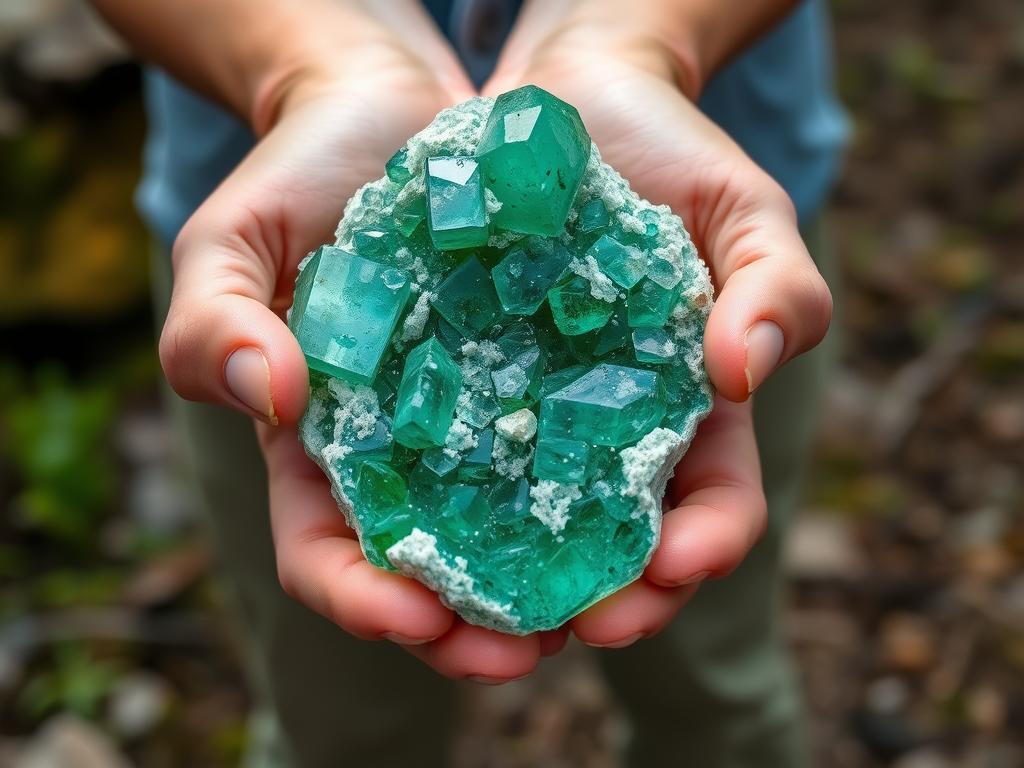
1. Emerald Hollow Mine, Hiddenite
GPS Coordinates & Directions: 35.9023° N, 81.0698° W | From I-40, take exit 132 for US-64 W toward Taylorsville. Follow US-64 for approximately 14 miles, then turn right onto NC-90 W. Continue for 4 miles, then turn right onto Emerald Hollow Mine Drive.
What to Find
- Primary Gems: Emeralds, hiddenite (rare green spodumene), aquamarine, quartz crystals
- Bonus Finds: Rutile, garnet, tourmaline
Permit & Rules
- Commercial fee-dig site ($15 for adults, $10 for children 6-11)
- Three mining options: sluicing, creeking, and digging
- All finds are yours to keep
- No power tools allowed
Essential Gear
- Shovel and small hand tools
- Buckets for carrying material
- Knee pads for creek mining
- Gloves and eye protection
Pro Tips
- Spring and fall offer the most comfortable temperatures
- Look for hexagonal crystal shapes when hunting emeralds
- The creek area often yields the best finds after rain
- Bring extra clothes—you will get wet and muddy!
Safety & Accessibility: The mine is accessible for most visitors, though creek mining requires navigating uneven terrain. Facilities include restrooms, a gem identification center, and a gift shop. Nearby amenities can be found in Hiddenite and Taylorsville.
2. Gem Mountain, Spruce Pine
GPS Coordinates & Directions: 35.9153° N, 82.0653° W | From Asheville, take I-26 E to US-19E N toward Spruce Pine. Follow US-19E for approximately 35 miles, then turn right onto NC-226. Continue for about 3 miles to find Gem Mountain on the right.
What to Find
- Primary Gems: Aquamarine, garnet, golden beryl, tourmaline
- Bonus Finds: Smoky quartz, clear quartz, rare feldspar varieties
Permit & Rules
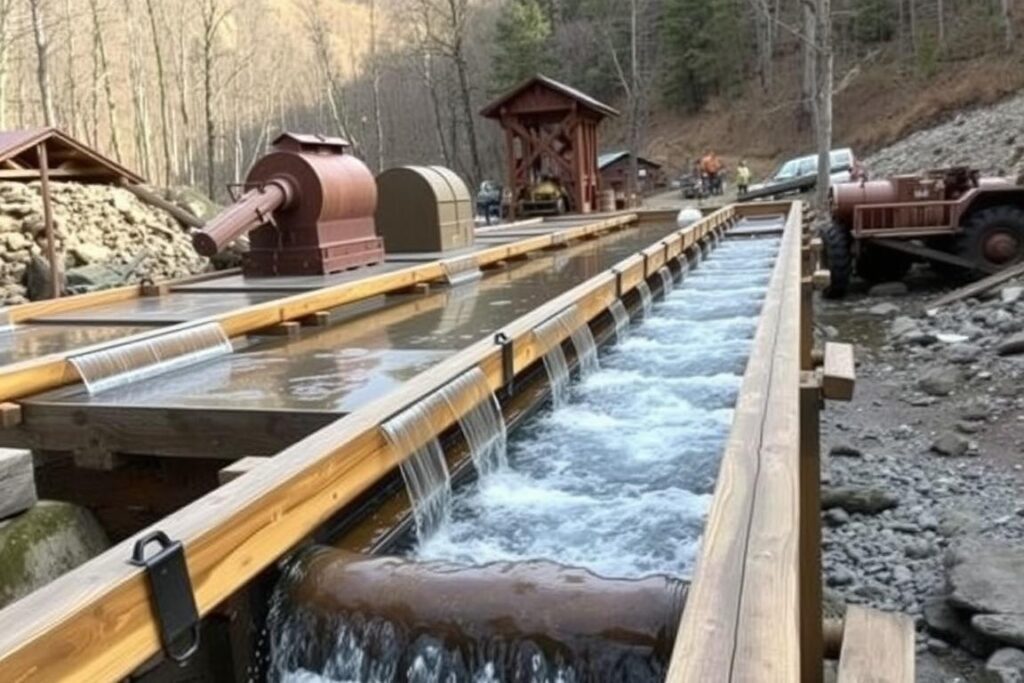
- Commercial fee-dig site with flume mining and guided mine trips
- Flume mining: $10-25 per bucket depending on size
- Mine trips: $75 for adults, $35 for children (includes transportation and tools)
- All finds are yours to keep
Essential Gear
- Provided for flume mining
- For mine trips: sturdy boots, gloves, weather-appropriate clothing
- Water and snacks
- Container for your finds
Pro Tips
- Book mine trips in advance, especially during summer
- The Brushy Creek Mine is best for beginners
- The historic Hoot Owl Mine offers more challenging but potentially rewarding hunting
- Staff can help identify your finds for free
Safety & Accessibility: Flume mining is accessible to most visitors. Mine trips require moderate physical ability and are not recommended for young children or those with mobility issues. Facilities include restrooms, a gift shop, and lapidary services.
3. Crabtree Emerald Mine, Little Switzerland
GPS Coordinates & Directions: 35.8372° N, 82.1086° W | Located near Spruce Pine off the Blue Ridge Parkway at milepost 334. Take the Crabtree Falls exit and follow signs to the mine area.
What to Find
- Primary Gems: Emeralds, aquamarine, beryl
- Bonus Finds: Mica, feldspar, garnet, black tourmaline
Permit & Rules
- Located on public land (check current access status)
- No commercial mining allowed
- Collection for personal use only
- Fill in all holes and respect the environment
Essential Gear
- Rock hammer and chisels
- Sturdy gloves and eye protection
- Hiking boots with ankle support
- Backpack for tools and specimens
Pro Tips
- Visit the Museum of North Carolina Minerals nearby for identification help
- Look in the mine tailings (waste rock piles) for overlooked specimens
- The best hunting is often after heavy rain
- Bring a UV light to help identify certain minerals
Safety & Accessibility: Moderate to difficult hiking required. The area is remote with limited facilities. Bring plenty of water and supplies. Cell service is unreliable. The closest amenities are in Little Switzerland and Spruce Pine.
4. Mason’s Ruby and Sapphire Mine, Franklin
GPS Coordinates & Directions: 35.1578° N, 83.3811° W | From Franklin, take US-441 S for approximately 3 miles. Turn right onto Terrace Ridge Drive and follow signs to the mine.

What to Find
- Primary Gems: Rubies, sapphires, garnets
- Bonus Finds: Moonstone, citrine, amethyst
Permit & Rules
- Commercial fee-dig site
- Native material and enriched buckets available
- All finds are yours to keep
- Children welcome with adult supervision
Essential Gear
- Basic equipment provided
- Bring small containers for your finds
- Sun protection (hat, sunscreen)
- Comfortable clothes that can get wet
Pro Tips
- The Franklin area is known as the “Gem Capital of the World”
- Visit the Franklin Gem and Mineral Museum to see what quality specimens look like
- Look for deep red to pink colors for rubies
- Blue to purple stones may be sapphires
Safety & Accessibility: Accessible for most visitors with flume mining options. Facilities include restrooms and a gift shop. Franklin offers numerous amenities, including restaurants, hotels, and other gem mines.
5. Little Pine Garnet Mine, Madison County
GPS Coordinates & Directions: 35.8825° N, 82.5889° W | From Asheville, take US-19/23 N toward Mars Hill. Continue on NC-213 W toward Marshall. Follow signs to Little Pine Road and the mine site.
What to Find
- Primary Gems: Almandine garnets, often in perfect dodecahedral crystals
- Bonus Finds: Mica, chlorite, quartz
Permit & Rules
- Commercial fee-dig site (check current rates)
- Digging in matrix material
- All finds are yours to keep
- Some areas restricted for safety
Essential Gear
- Hammers and chisels
- Sturdy gloves and eye protection
- Spray bottle with water (helps spot garnets)
- Small brushes for cleaning specimens
Pro Tips
- The garnets are approximately 450 million years old
- Look for the distinctive reddish-brown color in the schist matrix
- Perfect crystals are more valuable than broken ones
- Spring and fall offer the most comfortable digging conditions
Safety & Accessibility: Moderate physical activity required. The site can be muddy after rain. Basic facilities available. Nearby towns of Marshall and Mars Hill offer limited amenities.
6. Aurora Fossil Museum, Aurora
GPS Coordinates & Directions: 35.3003° N, 76.7894° W | From Greenville, take NC-33 E to Aurora. The museum and fossil pits are located at 400 Main Street in downtown Aurora.
Join over 500,000 crystal lovers who trust Conscious Items for authentic, energy-filled gemstones that transform lives. Don’t get left behind—take their crystal quiz and grab your perfect stone before they’re sold out! Shop now at Conscious Items and start your journey today.
If you liked reading this article you will love this article White Crystal Healing Properties: Peace & Clarity Guide
What to Find
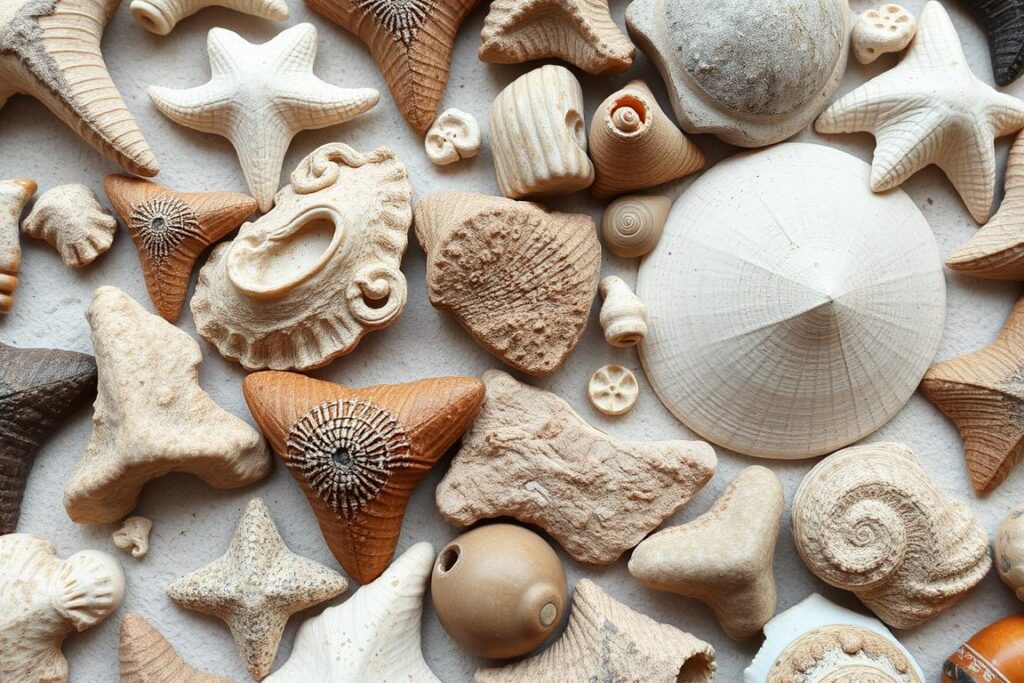
- Primary Finds: Miocene and Pliocene marine fossils (15-5 million years old)
- Bonus Finds: Megalodon shark teeth, whale vertebrae, shells
Permit & Rules
- Free public fossil pits
- Museum admission optional but recommended
- All fossils found are yours to keep
- No digging tools allowed in certain areas
Essential Gear
- Small shovels and sifting screens
- Buckets for material
- Spray bottle with water
- Small containers for delicate finds
Pro Tips
- Visit after they add new material to the pits
- Shark teeth are black or dark brown in color
- The museum can help identify unusual finds
- Best hunting is often after rain has washed away top layers
Safety & Accessibility: Highly accessible for all ages and abilities. Facilities include the museum, restrooms, and gift shop. Limited other amenities in Aurora; more options available in nearby Washington and Greenville.
Essential Rockhounding Gear for North Carolina
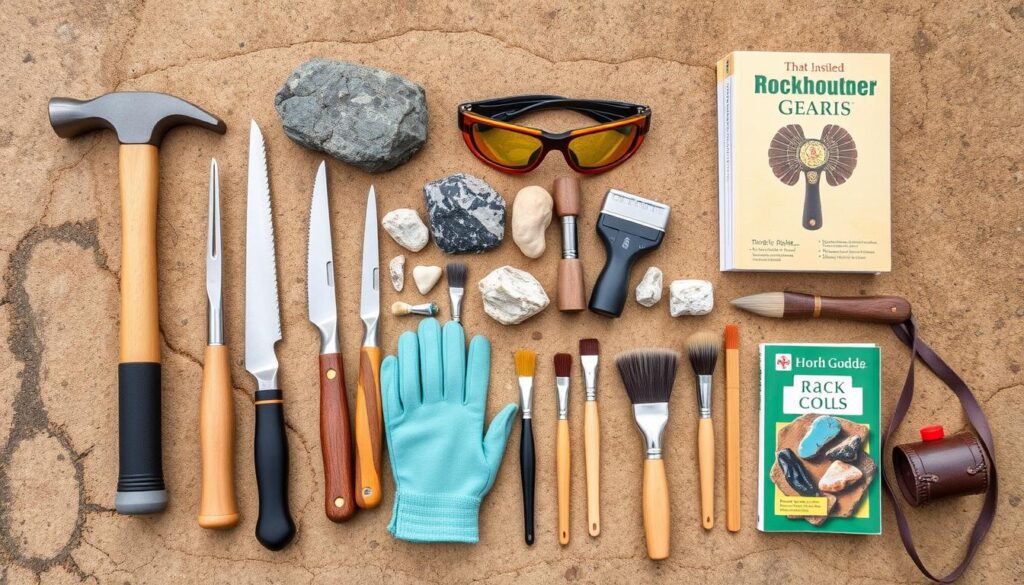
Having the right equipment can make the difference between a frustrating outing and a successful treasure hunt. Here’s what you’ll need for rockhounding in North Carolina’s diverse terrain.
Equip Yourself for Success
Get everything you need for your North Carolina rockhounding adventure with our curated selection of quality tools and equipment.
Basic Equipment
Digging Tools
- Rock hammer (pointed and flat ends)
- Chisels (various sizes)
- Small shovel or trowel
- Pry bar for larger specimens
Safety Gear
- Safety goggles/glasses
- Sturdy gloves (leather recommended)
- Knee pads for creek hunting
- First aid kit with tweezers
Collection Tools
- Specimen containers/bags
- Magnifying glass or loupe
- Spray bottle with water
- Soft brushes for cleaning
Location-Specific Gear
Mountain Mining
- Hiking boots with ankle support
- Backpack for tools and finds
- Walking stick for stability
- Layered clothing for changing weather
Creek Hunting
- Sifting screens (various mesh sizes)
- Water shoes or rubber boots
- Small shovel or scoop
- Waterproof containers
Fossil Hunting
- Fine mesh screens
- Small picks and dental tools
- Magnifying glass
- Padded containers for delicate specimens
Expert Resources
Enhance your knowledge with field guides specific to North Carolina’s unique geology and mineral deposits.

Complete Your Kit
From specialized tools to advanced equipment, find everything you need for serious rockhounding adventures.
Expert Tips for Successful Rockhounding in North Carolina
North Carolina’s diverse geology requires different approaches depending on where you’re hunting. Here are some expert tips to maximize your chances of finding spectacular specimens.
Seasonal Considerations
Best Times to Go
- Spring (April-May): Comfortable temperatures and good visibility after winter erosion
- Fall (September-October): Pleasant weather and fewer crowds
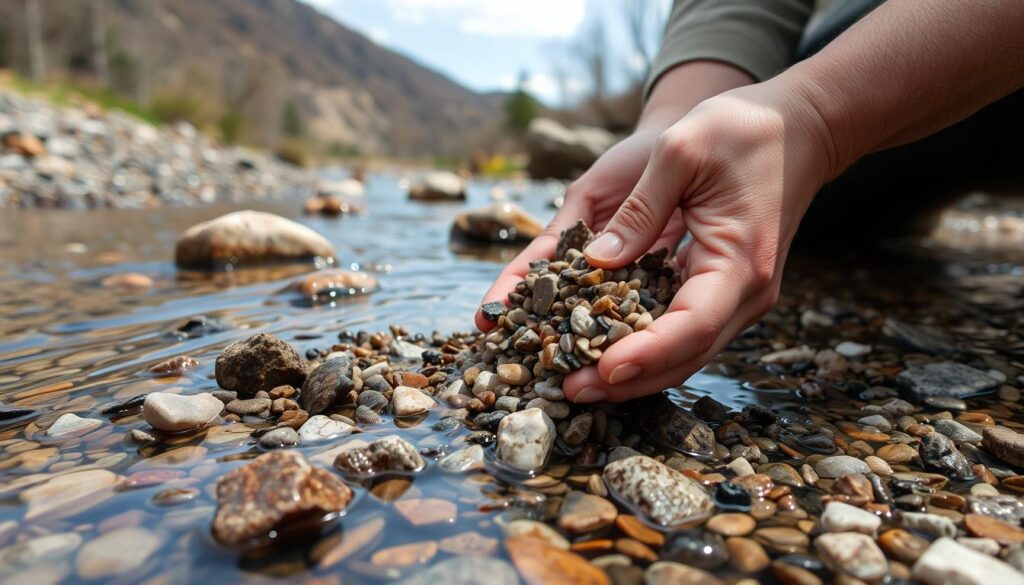
- After Rain: Fresh material often exposed, especially in creek beds
Times to Avoid
- Summer Afternoons: Extreme heat and humidity, especially in lowland areas
- Winter: Many sites close or become difficult to access
- Holiday Weekends: Popular sites become overcrowded
Identification Tips
Emeralds
- Look for hexagonal crystal shapes
- Color ranges from light to deep green
- Often found in pegmatite veins
- May be associated with white quartz
Garnets
- Typically reddish-brown to deep red
- Often form perfect dodecahedral crystals
- Found in mica schist in western NC
- Harder than surrounding rock
Fossils
- Shark teeth are black or dark brown
- Look for distinctive patterns and textures
- Common in eastern NC’s coastal plain
- Often found in layers of sedimentary rock
Ethical Rockhounding Practices
Environmental Responsibility
- Fill in all holes you dig
- Stay on established trails when possible
- Pack out all trash
- Minimize disturbance to plant life
Legal Considerations
- Always verify land ownership before collecting
- Obtain proper permits where required
- Respect quantity limits at public sites
- Never collect from archaeological or historical sites
Important Note About Changing Conditions: The information provided in this guide, including access details, permit requirements, and seasonal recommendations, is subject to change. Commercial mines may adjust their operating hours or fees, and public lands may have temporary closures or updated regulations. Always check official sources and call ahead to confirm current conditions before your trip.
Turn Your Finds into Income
North Carolina’s rich mineral deposits can yield specimens valuable not only to collectors but also in the growing crystal healing and metaphysical markets. Here’s how you can potentially monetize your rockhounding hobby.
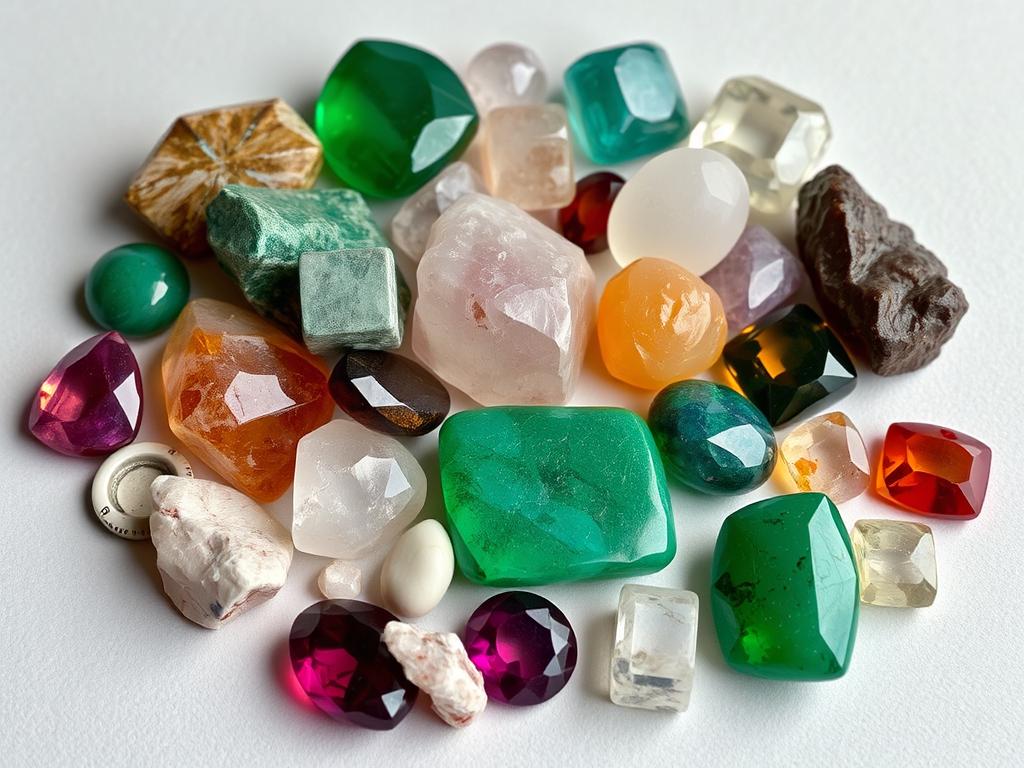
Selling Options
- Local gem and mineral shows
- Online marketplaces like Etsy and eBay
- Social media platforms (Instagram, Facebook)
- Consignment in local gift shops
Value-Adding Techniques
- Basic cutting and polishing
- Creating jewelry and decorative items
- Proper specimen mounting and display
- Educational labeling and documentation
Become a Certified Crystal Healer
Learn how to transform your rockhounding finds into a healing practice with our comprehensive online course.
Start Your North Carolina Rockhounding Adventure
From the emerald-rich mountains of the west to the fossil-laden coastal plains of the east, North Carolina offers some of the most rewarding rockhounding opportunities in the United States. With the right knowledge, tools, and preparation, you’ll be well-equipped to discover the geological treasures that have made the Tar Heel State famous among mineral collectors worldwide.
Remember to always practice responsible rockhounding, respect private property, and follow all regulations at your chosen sites. The thrill of finding your own gemstones and minerals is unmatched, and North Carolina’s diverse geology ensures that every trip has the potential for exciting discoveries.
Get Your FREE Crystal Healing Guide
Learn how to identify, cleanse, and use crystals for healing and wellness with our comprehensive guide.
Grab your gear and start hunting—North Carolina’s treasures are waiting!
)