


Did you know that nearly 4 in 10 Americans use complementary alternative medicine? It’s true! From ancient practices to modern wellness, these methods are gaining traction in today’s health-focused world.
Whether you’re curious about acupuncture, intrigued by Ayurveda, or drawn to Reiki, these powerful healing techniques offer unique benefits. But how do they stack up against each other? Let’s dive in and explore their pros and cons to help you make the best choice for your health journey.
With growing acceptance in conventional medicine, these methods are more than just trends—they’re pathways to holistic well-being. Ready to discover which one aligns with your needs? Let’s get started!
Key Takeaways
- Nearly 38% of U.S. adults use complementary alternative medicine.
- Acupuncture, Ayurveda, and Reiki are rooted in ancient practices.
- These methods are increasingly recognized in conventional medicine.
- Each therapy offers unique benefits for healing and wellness.
- Understanding their pros and cons helps you make informed choices.
Introduction to Alternative Therapies
Have you ever wondered how complementary practices fit into modern healthcare? These methods, often rooted in ancient traditions, are now gaining recognition in conventional medicine. They’re not just “woo-woo” treatments—they’re backed by organizations like the NIH!
Complementary practices are used alongside standard treatments, while alternative methods replace them. Integrative medicine combines both approaches for a holistic approach to health. This blend is becoming increasingly popular, with Americans spending over $50 billion annually on these methods.
At the heart of these practices is the mind-body connection. They focus on treating the whole person, not just symptoms. This approach often contrasts with pharmaceutical treatments, which target specific issues.
Here’s a quick breakdown of what makes these methods unique:
- They emphasize natural healing and prevention.
- They often involve personalized care plans.
- They aim to balance the body, mind, and spirit.
Ready to see how these practices compare to each other? Let’s dive deeper into their benefits and challenges!
What Are Alternative Therapies?
From acupuncture to zen meditation, alternative medicine offers a world of possibilities! The NIH classifies these practices into five domains: Mind-Body, Biologically-Based, Manipulative, Energy Therapies, and Whole Medical Systems. Each domain brings unique approaches to healing and wellness.
Did you know that 72% of U.S. hospitals now offer integrative therapies? This blend of traditional and modern treatment methods is transforming healthcare. It’s not just about treating symptoms—it’s about nurturing the whole person.
Energy healing, a key part of these practices, focuses on balancing the body’s energy fields. While the science behind it is still evolving, many people report positive outcomes. Clinical trials have shown promising results, especially in managing stress and chronic pain.
Here’s a quick look at what makes these methods stand out:
- They emphasize natural healing and prevention.
- They often involve personalized care plans.
- They aim to balance the body, mind, and spirit.
It’s also important to note that the FDA regulates herbal supplements to ensure safety. This oversight helps people make informed choices about their health. With ongoing research, these practices continue to gain credibility in the medical world.
Ready to explore how these methods can benefit you? Let’s dive deeper into their unique approaches and real-world success stories!
Acupuncture: Ancient Needles for Modern Healing
From ancient battlefields to modern clinics, acupuncture has stood the test of time. This practice, rooted in traditional Chinese medicine, uses thin needles to stimulate specific points on the body. Today, it’s recognized by institutions like Johns Hopkins for its ability to manage pain and improve overall well-being.
Acupuncture works by triggering the release of endorphins, the body’s natural painkillers. Studies from the NIH show it can reduce chronic pain by up to 50%. It’s also being tested in cancer clinical trials by the NCI, highlighting its potential in modern medicine.
Pros of Acupuncture
Acupuncture offers a range of benefits that make it a popular choice for many. Here are some of the key advantages:
- Pain Relief: Effective for chronic pain, migraines, and arthritis.
- Natural Healing: Promotes the body’s ability to heal itself.
- Stress Reduction: Helps manage stress and anxiety.
- Minimal Side Effects: Safer than many pharmaceutical options.
Cons of Acupuncture
While acupuncture has many benefits, there are some challenges to consider:
- Cost: Sessions range from $75 to $150, and insurance coverage can be limited.
- Time Commitment: Multiple sessions are often needed for lasting effects.
- Counterfeit Practitioners: It’s crucial to choose a licensed professional.
- Mild Discomfort: Some people may experience slight pain or bruising.
| Pros | Cons |
|---|---|
| Effective pain relief | High cost per session |
| Natural and safe | Time-consuming process |
| Reduces stress and anxiety | Risk of unlicensed practitioners |
| Minimal side effects | Mild discomfort during treatment |
Ayurveda: The Science of Life
What if your path to wellness lies in a 5,000-year-old tradition? Ayurveda, often called the “science of life,” is a holistic healing system that originated in India. It focuses on balancing your unique doshas—Vata, Pitta, and Kapha—to promote health and prevention.
From turmeric lattes to seasonal routines, Ayurveda connects ancient wisdom to modern lifestyles. It’s not just about treatments; it’s about creating harmony between your body, mind, and spirit. But like any practice, it has its pros and cons.
Pros of Ayurveda
Ayurveda offers a personalized approach to health. Here’s why it’s so popular:
- Personalized Care: Your practitioner tailors a plan based on your dosha.
- Natural Healing: Uses herbs and natural remedies to support wellness.
- Holistic Focus: Addresses the root cause, not just symptoms.
- Prevention: Emphasizes lifestyle changes to avoid illness.
Cons of Ayurveda
While Ayurveda has many benefits, there are some challenges to consider:
- Herb-Drug Interactions: The NCCIH warns about potential risks with certain herbs.
- Cost: Consultations can cost $200+, and DIY practices may not be as effective.
- Unregulated Market: Supplements aren’t always FDA-approved, so quality varies.
- Time-Consuming: Requires commitment to lifestyle changes and routines.
Ayurveda is a powerful tool for those seeking a natural, personalized approach to health. Whether you’re sipping a turmeric latte or following a seasonal routine, it’s a journey worth exploring!
Reiki: Healing Through Energy
Imagine a practice where healing flows through the power of energy! Reiki, classified by the NIH as a biofield therapy, focuses on balancing the body’s energy fields. It’s not just about physical touch—it’s about creating harmony between your mind, body, and spirit.
Did you know that 15% of U.S. medical centers now offer Reiki? Institutions like Memorial Sloan Kettering use it to support cancer patients. During a session, practitioners use specific hand positions to align your chakras, promoting deep relaxation and healing.
Pros of Reiki
Reiki offers a range of benefits that make it a popular choice for many. Here’s why it’s worth trying:
- Stress Reduction: UCLA studies show it can significantly lower anxiety levels.
- Holistic Healing: Addresses emotional, mental, and physical well-being.
- Non-Invasive: No needles or medications—just the power of energy.
- Accessible: Sessions can be done in person or even remotely.
Cons of Reiki
While Reiki has many benefits, there are some challenges to consider:
- Subjective Experience: Results vary based on individual beliefs and openness.
- Limited Scientific Evidence: More research is needed to fully understand its effects.
- Unlicensed Practitioners: Be cautious of “energy vampires” and choose certified professionals.
- Cost: Sessions can range from $50 to $150, depending on location and practitioner.
Reiki is a powerful tool for those seeking a natural, energy-based approach to wellness. Whether you’re looking to reduce stress or explore the benefits of meditation, it’s a journey worth considering!
Comparing Acupuncture, Ayurveda, and Reiki
Curious about how different healing methods stack up? Acupuncture, Ayurveda, and Reiki each offer unique approaches to health and wellness. Let’s break down their key differences to help you find the best fit for your needs!
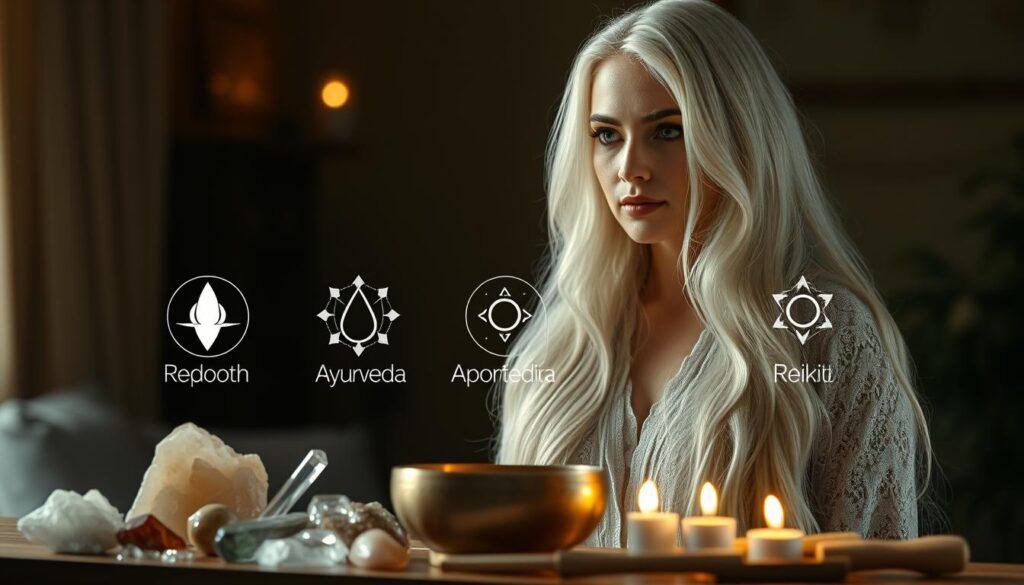
- Cost: Acupuncture sessions range from $75-$150, Ayurveda consultations can cost $200+, and Reiki typically falls between $50-$150.
- Time Commitment: Acupuncture often requires multiple sessions, Ayurveda involves lifestyle changes, and Reiki can be done in single or remote sessions.
- Scientific Backing: Acupuncture has the most research, Ayurveda focuses on prevention, and Reiki is the least invasive.
When it comes to pain management, here’s how they rate:
- Acute Pain: Acupuncture is highly effective, while Reiki offers mild relief.
- Chronic Pain: Acupuncture and Ayurveda both provide long-term benefits, with Reiki supporting emotional healing.
Not sure which one suits your personality? Here’s a quick guide:
- Type A Go-Getters: Acupuncture’s structured approach works well for goal-oriented individuals.
- Zen Seekers: Reiki’s calming energy aligns with those seeking relaxation and balance.
- Holistic Enthusiasts: Ayurveda’s personalized care appeals to those who love natural remedies.
For a truly holistic experience, consider combining approaches! Acupuncture and Reiki sessions together can address both physical and emotional needs. Celebrities like Gwyneth Paltrow and Deepak Chopra swear by these methods for their transformative benefits.
Ready to take the next step in your health journey? Whether you’re drawn to the precision of acupuncture, the wisdom of Ayurveda, or the energy of Reiki, there’s a healing practice waiting for you!
Safety and Considerations in Alternative Therapies
When exploring healing practices, it’s essential to prioritize safety and make informed decisions. While these methods can be transformative, understanding potential risks ensures you get the most out of your experience. Let’s dive into key considerations to keep in mind!
Did you know the FDA doesn’t regulate most supplements? This means quality can vary widely. For example, the NCI has reported risks like liver damage from kava kava. Always consult your doctor before trying new herbal remedies to avoid harmful interactions.
Here’s a quick red flag list of 10 dangerous herb-drug combos to watch out for:
- St. John’s Wort and antidepressants
- Garlic supplements and blood thinners
- Ginkgo biloba and aspirin
- Echinacea and immunosuppressants
- Ginseng and diabetes medications
- Valerian root and sedatives
- Turmeric and blood thinners
- Green tea and blood pressure medications
- Kava kava and alcohol
- Black cohosh and hormone therapies
Choosing the right practitioner is just as important. Verify credentials state-by-state to ensure you’re working with a licensed professional. According to research, ER visits related to complementary methods are on the rise, so always prioritize safety.
Wondering about insurance? Many plans now cover certain practices, but filing claims can be tricky. Keep detailed records of your sessions and consult your provider for specific guidelines. If you experience adverse effects, report them to the FDA’s hotline at 1-800-FDA-1088.
By staying informed and working with trusted professionals, you can safely enjoy the benefits of these healing practices. Your health journey is worth it—take the steps to protect it!
How to Choose the Right Therapy for You
Choosing the right healing method can feel overwhelming, but it doesn’t have to be! With so many approaches available, it’s all about finding what works best for your unique needs. Let’s break it down step by step to help you make an informed decision!

First, consider your personality and health goals. Are you a go-getter who thrives on structure, or do you prefer a more relaxed, holistic care approach? Answering these questions can guide you toward the right method.
Here’s a quick guide to match your goals with the right therapy:
- Weight Loss: Ayurveda’s personalized diet plans and lifestyle changes can be highly effective.
- Stress Relief: Reiki’s calming energy and acupuncture’s pain relief are excellent choices.
- Chronic Pain: Acupuncture’s proven results make it a top pick for long-term relief.
Time commitment is another factor to consider. While Ayurveda may require daily routines, Reiki and acupuncture often involve weekly sessions. Think about what fits your schedule and lifestyle.
Did you know you can use your FSA or HSA for certain therapies? Many insurance plans now cover acupuncture, and some even include Reiki. Always check with your provider to maximize your benefits.
When choosing a practitioner, ask the right questions. Here’s a handy list to get started:
- What is your training and certification?
- What success rates have you seen with patients?
- Do you offer personalized care plans?
Remember, your health journey is personal. Take your time, explore your options, and trust your instincts. With the right guidance, you’ll find the perfect method to nurture your mind, body, and spirit!
| Therapy | Best For | Time Commitment |
|---|---|---|
| Acupuncture | Chronic Pain | Weekly Sessions |
| Ayurveda | Weight Loss | Daily Routines |
| Reiki | Stress Relief | Weekly or Remote Sessions |
Conclusion
Exploring healing methods can open doors to better health and wellness! Whether it’s acupuncture’s precision, Ayurveda’s personalized care, or Reiki’s calming energy, each method offers unique benefits. The key is finding what works best for you.
Why not blend traditional and modern medicine? Many people find success by combining these approaches. Apps like Healing Touch or Mindbody make it easy to find local practitioners near you.
Here’s a surprise: many of these therapies are now tax-deductible! Check with your accountant to see how you can save while investing in your healing journey.
Ready to take the next step? Share your story with us and inspire others to explore their path to wellness. Your journey matters—let’s make it extraordinary!
✨ Crystal Lovers: Get a FREE Audiobook!
Upgrade your spiritual practice effortlessly with Audible’s 30-day free trial:
• Listen to crystal healing books while cleansing stones
• Learn Reiki techniques during energy work
• Keep your free audiobook forever (even if you cancel)
Disclosure: As an Amazon Associate, I earn from qualifying purchases at no extra cost to you. Your support helps create more crystal content!
If you enjoyed reading: Manifest with Reiki: 5 Steps to Create & Use a Powerful Reiki Box, you will love: Heal Your Universe: Explore Shamanic Reiki and the Power of Us
