


Ever wondered which gem truly matches your story and why it became popular? I’m excited to guide you through a joyful, easy-to-use list that puts each birthstone front and center so you can pick a piece that feels like you!
This short guide traces how a month-based chart formed over the years, why it still thrills jewelry lovers, and how each gemstone carries its own light and meaning.
You’ll learn the name, color, and vibe of every gem so you can choose rings, necklaces, or bracelets with confidence and lasting beauty.
I’ll keep things simple, friendly, and fun so you leave feeling inspired to wear the piece that sparks joy and love every day!
Key Takeaways
- You’ll find every birthstone by month in one clear, uplifting guide.
- Learn the history of the classic chart and how it evolved over the years.
- See how each gem’s color and light change your look and mood.
- Get practical tips to pick jewelry you’ll wear and love.
- Feel empowered to choose a birthstone by name and meaning, not guesswork!
Traditional Birthstones at a Glance: Origins, Meaning, and How the List Evolved
Let’s take a quick, joyful tour of how the monthly gem idea grew from scripture to showrooms! You’ll see why some gems carry sacred weight and others joined the chart later because of fashion and supply.
Biblical roots: Aaron’s breastplate and cultural lineage
Scholars link the idea to the twelve gems set in the High Priest’s breastplate (Exodus 28:17–19). But the names changed across translations and times. Oliver C. Farrington pointed out that those lists didn’t map to months in ancient practice.
From Victorian marketing to the 1912 modern list
The month mapping rose much later. The Victorian era pushed gem gifting into homes. Tiffany & Company’s 1870 poem gave a big popularity boost!
Then in 1912 the National Association of Jewelers created a clear modern list to help shoppers. That standard eased confusion and evolved with market needs over the years.
Traditional vs modern mindset: symbolism, availability, and aesthetics
Symbol and spiritual properties mattered early on. Over time, availability and fashion shaped choices. That’s why some months feature opaque stones and others bright, transparent gems.
- You’ll trace centuries of change from sacred jewelry to household gift lists.
- Understanding the name shifts helps you pick a gemstone with meaning and style.
Traditional Birthstones vs Modern List: What’s the Difference Today
I love how a clear chart can make choosing a gem feel easy and fun! Over time, the way we name and sell stones moved from local lore to an agreed industry map that shoppers trust.
https://www.youtube.com/watch?v=zw40SyRfVZw
Standardization milestones
The Jewelers of America (then the National Association of Jewelers) set a major milestone in 1912. That move gave buyers a common language by month so you could buy by name with confidence.
Big updates: Tanzanite joined December’s options in 2002 and Spinel was added for August in 2016. These choices reflect what people want to wear today!
Opaque to transparent: taste reshaped the chart
Early selections often prized cultural meaning and opaque stones. Over the last century, demand favored transparent, light-catching gemstones for sparkle and modern styling.
- You’ll see where lists overlap—so you can honor the past and enjoy fresh picks.
- Availability and price drove many updates, making the list practical as well as pretty.
- I’ll help you spot if a stone is classic or a newer favorite—so your choice fits your style and budget!
Traditional Birthstones by Month: The Complete Guide
Let’s walk through each month so you can spot the gem that fits your style and story! I’ll keep each note short and bright so you can choose with confidence.
January — Garnet
Protection and vitality: Garnet comes in many hues beyond red. Pick a hue that matches your vibe for bold rings or subtle accents!
February — Amethyst
Royal purple quartz prized for clarity and solid durability (around 7 on Mohs). It feels calming and healing in daily wear.
March — Bloodstone & Aquamarine
March offers classic Bloodstone or modern aquamarine. Aquamarine gives a light blue-green beryl glow that feels serene and bright.
April — Diamond
Diamond stands for strength and eternal love. Fancy colors span red to blue and yellow if you want a daring, personal twist.
May — Emerald
Emerald’s deep green allure often shows inclusions—those marks are part of its legendary character and charm.
June — Pearl & Moonstone
Pearl and moonstone feel ethereal and soft. Alexandrite appears in modern lists for a dramatic color-change surprise.
July — Ruby
Ruby is red corundum, sometimes with orange or pink undertones. It symbolizes power and physical strength—very energizing!
August — Sardonyx, Peridot & Spinel
August’s options include sardonyx traditionally, with peridot (green with yellowish overtones) and spinel as fresh, colorful choices.
September — Sapphire
Sapphire isn’t only blue—though blue is most common. It offers protection and a steadfast, classic spirit.
October — Opal & Tourmaline
Opal glows with play-of-color and lively light. Tourmaline adds a wide color palette if you want control over tone and saturation.
November — Topaz & Citrine
Topaz is the traditional pick; citrine is a popular modern alternative with warm, sunny color—often heat treated for consistency.
December — Turquoise, Blue Topaz, Blue Zircon & Tanzanite
December mixes heritage turquoise with brilliant modern picks like blue topaz (London, Swiss, Sky), blue zircon, and tanzanite for vivid sparkle.
- Quick pick: Match month, meaning, and color to your lifestyle and budget!
- Style tip: Choose stones that work in your everyday jewelry and rings for lasting wear.
- Final note: Many gems offer both classic charm and modern alternatives—so you can honor history or go bold!
History and Lore: Poems, Myths, and Centuries of Symbolism
A single poem in 1870 helped turn private gemstone lore into a public fashion that spread across salons and shop windows! Tiffany & Company distributed a month-by-month birthstone poem that made the idea easy to gift and adore.
I love how marketing met magic in the Victorian era. Sellers and writers shaped meaning fast. Over the next centuries, names, symbols, and uses kept changing.
The Tiffany poem and Victorian popularity
That poem gave each month a simple story you could carry. It pushed the name of a gem into everyday life and helped jewelers sell pieces that felt personal and poetic.
Astrology, numerology, and alternative mappings
Scholars note the chart may blend Hebrew lists with Arabic astrology. Fans also tie stones to numerology and zodiac systems. These links gave each stone a symbol and modern-day properties buyers still love.
- You’ll see how meanings shifted across times yet keep their bright light!
- Use lore as inspiration, not a rule—pick the gem whose energy fits you.
Color, Clarity, Cut, and Carat: How to Choose Your Birthstone
Let’s cut through the jargon so you can read a gem’s color, clarity, and carat like a confident buyer! I’ll make this quick and useful so you choose a piece that shines with your style.
Color purity and saturation
Color purity and saturation often drive value. Vivid ruby reds and deep aquamarine blues catch the eye and the price! Higher purity usually means higher rarity and more wow.
Understanding clarity and common treatments
Clarity affects how gems reflect light and their overall appearance. Emeralds often show eye-visible inclusions and that’s okay. Diamonds and tanzanite can reach higher clarity grades.
“Know common treatments—many citrines are heat-treated to boost tone.”
Cut, carat, and how they change brilliance
A great cut directs light and can make a gem look larger and brighter. Bigger carat weight raises rarity and price, so balance size with light performance for true beauty.
- You’ll read color like a pro—purity and saturation matter!
- Spot treatments and accept natural properties when they add character.
- Prioritize what delights your eye, not someone else’s rule, and pick jewelry you’ll wear!
Durability and Care: Mohs Hardness Scale and Everyday Wear
Hardness matters: it tells you which gems can handle a busy life and which need gentle care. I’ll map the Mohs scale in plain terms so you know a stone’s real-world strength!

Hardest to softest
Quick Mohs points to remember:
- Diamond — 10
- Sapphire and Ruby — 9
- Alexandrite — 8.5
- Topaz — 8
- Opal — ~5.5
- Pearl — ~2.5
Caring for delicate stones
Soft gems need love! Opal is sensitive to shock and heat. Avoid sudden temperature changes and strong cleaners.
Pearl is organic and scratches easily. Wipe pearls with a soft cloth after wearing and avoid sprays or perfumes near them.
“Remove rings for workouts and chores to protect settings and gems.”
- Match settings to lifestyle — bezel or protective prongs help everyday wear.
- Store softer pieces separately, away from heat and hard surfaces.
- Watch for loose prongs or dull luster — get a quick check from a jeweler.
You’ll keep your birthstone bright and strong with small habits. Wear with joy and care!
Spotlight on December Stones: Blue Topaz, Blue Zircon, Tanzanite, and Turquoise
If you love vivid blues or earthy teal, December’s stones deliver bold choices for every look! I’ll walk you through trade names, treatments, and what each name tells you about color and sparkle.
Trade names and hues for topaz
Most blue topaz starts pale or colorless. It gains strong blues through heat and irradiation. Know the trade names so you get the hue you want!
- London Blue — deep, steely blue-gray.
- Swiss Blue — vivid, greenish-blue saturation.
- Sky Blue — pale, airy blue like aquamarine.
Blue zircon vs cubic zirconia
Blue zircon is a natural, brilliant gem. It flashes strong fire and luster. Don’t confuse it with synthetic cubic zirconia—same letters, very different appearance and value!
Tanzanite’s rise and price
Tanzanite joined December’s roster in 2002. Its blue-violet color appeals to collectors, and prices reflect limited supply and rarity.
Turquoise heritage and matrix
Turquoise carries deep history and warm cultural ties. Its color comes from copper. Matrix patterns add character and an authentic, earthy vibe.
“Pick by name and appearance—trade terms tell you the hue before you buy.”
| Stone | Typical Hue | Key Note | Care Tip |
|---|---|---|---|
| Blue Topaz | Sky / Swiss / London | Treated for vivid color | Avoid steam and harsh chemicals |
| Blue Zircon | Bright blue with strong fire | Natural high brilliance | Protect from knocks |
| Tanzanite | Blue-violet | Modern, collectible | Store separately, avoid hard impacts |
| Turquoise | Teal to sky blue | Historic, often matrixed | Keep away from perfumes and water |
- You’ll decode topaz names fast and pick the perfect hue online!
- Choose settings that show off color and brilliance—solitaires, halos, and open backs work great.
From Meaning to Jewelry: Rings, Necklaces, and Engagement Ideas
Turn your month’s meaning into a wearable story with jewelry that feels personal and joyful! Pick pieces that match your daily life and keep the sentiment close.
Rings are perfect for showing a birthstone without fuss. Choose durable gems for everyday wear—diamonds, sapphires, and rubies hold up best. Softer options like pearls and opal shine in dress rings or stacked bands.

Engagement twists are lovely and personal! Consider a sapphire or your month gem as the center or as accent stones. That adds meaning and a pop of color to a classic engagement look.
- Daily wear picks: hard stones and protective settings work great.
- Special pieces: reserve delicate stones for necklaces and occasional bracelets.
- Style ideas: stackable rings, bold solitaires, and simple pendants show off color and beauty.
“Match stones to lifestyle—choose joy and durability together!”
You can mix metals and gems for fresh sets. Try peridot or playful gems for weekend flair. I’ll help you design a piece that feels like you—full of love and ready to wear every day!
Traditional Birthstones
Trade routes carried more than goods — they carried gems, myths, and new meanings! Over the years, single gems often defined a month. That made each pick feel like a guidepost in life.
Classic symbolism runs deep. Ancient charts linked stones like sardonyx, bloodstone, and turquoise to protection, health, and prosperity. These stones moved along caravan paths and seas, gathering stories as they went.
I’ll spotlight how regions chose different gems. In some places, emerald held sacred symbol power and green tones meant renewal. Elsewhere, opal or tourmaline carried unique ritual roles.
- You’ll reconnect with classic meaning that’s guided people for years.
- See why a traditional birthstone can feel like a steady friend on your path.
- Learn how to style these stones today—mix emerald or turquoise with modern settings for fresh energy!
“Gems traveled with traders and storytellers — each stop added a new chapter to a stone’s life.”
Traditional Birthstones: Expert Tips for Budget, Value, and Authenticity
Smart buying starts with clear priorities: decide what matters most—color, carat, or cost! I’ll help you weigh rarity, clarity, and long-term wear so your next purchase feels smart and joyful.
Balancing rarity, beauty, and long-term wearability
Price drivers: Rarity, clarity, and carat raise cost fast. Diamonds, ruby, emerald, and sapphire sit at the top of most price lists. Know this before you fall in love with size alone!
Treatments matter. Heat treatments and stabilizing fills (common for citrine and topaz) change value and care needs. Ask about treatments and how they affect properties and durability.
Smart shopping checklist
- Set a firm budget and pick one must-have feature—color or size.
- Compare gems: peridot or topaz can give great color without the premium.
- For rings and jewelry, choose harder stones for daily wear and softer ones for pendants.
- Request certification and a jeweler’s verification for authenticity and origin.
“Verify treatments and get paperwork—it protects value and peace of mind.”
| Factor | Why it matters | Quick tip |
|---|---|---|
| Rarity | Drives long-term value | Consider tanzanite or ruby for investment pieces |
| Clarity & Treatments | Affects appearance and price | Ask if heat or fills were used |
| Wearability | Matches daily use | Choose sturdy settings for rings |
| Documentation | Proves authenticity | Get certificates and receipts from reputable jewelers |
You’ll balance budget and brilliance with simple steps that protect your investment. Pick by eye first—your taste leads! Then use facts to confirm the name, origin, and quality so your birthstone feels real and lasting.
Conclusion
You’ve reached the finish line—let’s wrap your gem story with a clear, joyful nod to what matters most. ,
Today you see how modern and classic lists coexist. Many months now offer more than one option—June, August, October, and December shine with choices!
Pick by color, purity, and strength. Diamonds are the hardest; pearls are the softest. Think about care so your rings and necklaces last for years.
Trust what lifts your spirit—ruby fire, aquamarine calm, blue topaz sparkle, or turquoise soul. Each name and hue carries light, love, and healing.
You did it! You’re ready to choose a birthstone with confidence and joy. Go shine!
FAQ
What is the difference between the traditional list and the modern list of birthstones?
Why do some months have more than one gemstone?
Are pearls and opals less durable for everyday rings?
How can I tell a real emerald or ruby from a treated or synthetic one?
What does “London Blue” or “Swiss Blue” topaz mean?
Is blue zircon the same as cubic zirconia?
Can I use a non-listed stone as my birthstone?
How do color, cut, clarity, and carat affect a gem’s price and look?
What should I ask a jeweler before buying a birthstone ring or necklace?
How do I care for turquoise and prevent color change?
Are alternative stones like spinel and peridot good for engagement rings?
How did the 1912 Jewelers of America list change the way people wear stones?
Discover the transformative power of authentic healing crystals from Conscious Items, designed to align your spirit and connect you with nature’s energy. With over 500,000 satisfied customers and a 4.9/5 Trust pilot rating, don’t miss out on finding your perfect crystal—shop now before these unique treasures are gone! Take their exclusive crystal quiz today at Conscious Items to uncover your spiritual muse.
If you liked reading this article you will love this article Crystal Healing Properties: Unlock White Crystal Power!
Elevate your spiritual journey with Conscious Items’ genuine gemstones, trusted by thousands and backed by a 30-day money-back guarantee. Don’t let these powerful crystals pass you by—stocks are limited, and the perfect one for you is waiting! Visit Conscious Items now to find your crystal match before it’s too late.
If you liked reading this article you will love this article Crystals for Abundance and Prosperity: A Metaphysical Guide and Garnet: Metaphysical Properties for Passion and Energy
If your interested in one of my favorite topics Minimalism Try these articles:
Minimalism Checklist: The ONLY Checklist you need
Morganite Crystal Healing Properties
Habits of Healthy Relationships: 10 Keys to Lasting Love: The Ultimate Love Stone for Heart Healing
Check These Beautiful Products Out!
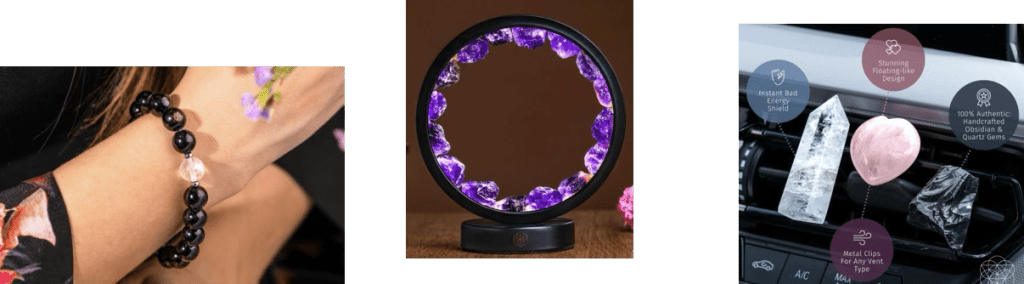
Discover the power of healing and mindfulness with Conscious Items, your trusted source for authentic crystal jewelry and home decor. From the Triple Protection Bracelet (now 51% off) to the Infinite Abundance Citrine Lamp (21% off), our best-selling collection harnesses the energy of genuine gemstones to promote peace, prosperity, and spiritual balance. Don’t miss out on deals like the Spiritual GPS Guardian Car Crystal Kit (42% off) or the I Am At Peace Amethyst Lamp (41% off) while they last! With over 500,000 satisfied customers and a 4.9/5 Trustpilot rating, every purchase is backed by a 30-day money-back guarantee and free insured shipping. Elevate your energy today—shop now and find your perfect crystal companion!
