


What Is Rockhounding Ever wondered how ordinary hikes can turn into treasure hunts? Rockhounding lets you uncover Earth’s hidden gems—no degree in geology required! This exciting outdoor activity blends adventure with discovery, making every trip a chance to find stunning rocks, minerals, or even fossils.
Since the 1930s, people have embraced this hobby for its mix of practicality and wonder. Back then, it helped families during tough times. Today, it’s a joyful escape into nature, where every stone tells a story. Whether you’re crafting jewelry or simply admiring Earth’s artistry, the thrill is real!
Join thousands at events like Canada’s Rockhound Gemboree, where enthusiasts celebrate these natural treasures. Ready to explore? Let’s dive in!
Key Takeaways
- Rockhounding is an outdoor activity for all ages, combining adventure and discovery.
- No expertise is needed—just curiosity and a love for nature.
- Popular since the 1930s, it started as both a survival tactic and creative outlet.
- Modern rockhounds enjoy it for education, jewelry-making, or pure fun.
- Events like the Rockhound Gemboree bring enthusiasts together to celebrate finds.
What Is Rockhounding? The Ultimate Beginner’s Definition
From dusty deserts to riverbeds, hidden minerals are waiting for you to discover them. This hobby blends adventure with the joy of uncovering Earth’s natural art—no lab coat required!
Rockhounding vs. Amateur Geology: What’s the Difference?
Think of it like this: rockhounding is treasure hunting, while amateur geology is detective work. Collectors focus on beauty and rarity. Enthusiasts studying rocks often document findings for science.
One’s about passion; the other leans into knowledge. Both celebrate Earth’s wonders, but only one lets you pocket the sparkles!
A Brief History of Rockhounding in the U.S.
During the 1930s, families sold agates and petrified wood to tourists for extra cash.
“A well-polished stone could buy a week’s groceries,”
recalls a Depression-era diary.
Long before that, Native Americans carved jasper into tools and art. Later, roadside rockhounds turned desert pits into pit stops for mid-century travelers.
Today, GPS and online maps have transformed the way we hunt. What began as survival skill is now a mainstream escape into nature’s glittering past!
Experience the ancient wisdom of Conscious Items’ healing crystals, crafted to bring balance and positivity to your life. Act fast—these authentic gemstones are in high demand, and you don’t want to miss your chance to own one! Visit Conscious Items now to secure your crystal before they’re gone.
If you liked reading this article you will love this article Crystal Healing Uses: From Meditation to Protection
Why Try Rockhounding? 5 Exciting Benefits
Turn a simple walk into a treasure hunt with rockhounding! This hobby offers more than just pretty rocks—it’s a gateway to adventure, learning, and unforgettable memories. Here’s why you’ll love it:

1. No Experience Needed—Just Curiosity!
Grab a bucket and start exploring! You don’t need a geology degree to find stunning minerals or ancient fossils. Every outing is a chance to learn something new.
2. Explore Hidden Treasures in Your Backyard
From riverbeds to hiking trails, Earth’s treasures are everywhere. Even urban construction sites can reveal jaw-dropping specimens. The thrill of discovery is always within reach!
3. A Gateway to Geology and Earth’s History
Each rock tells a story. Uncover how mountains formed or ancient oceans shaped your region. It’s hands-on science—no textbook required!
| Activity | Stress Relief | Family-Friendly | Educational Value |
|---|---|---|---|
| Rockhounding | High (fresh air + discovery) | Yes (all ages) | Earth science, history |
| Hiking | Moderate | Yes | Low |
| Museum Visits | Low | Yes | High (passive learning) |
Join communities like Bancroft’s annual Gemboree to swap stories and specimens. Whether you’re after sparkly minerals or a deeper connection with nature, rockhounding delivers!
Essential Rockhounding Tools for Beginners
Gear up for adventure—your rockhounding journey starts with the right tools! Smart collectors know that quality equipment protects you and helps uncover better specimens. Whether you’re cracking open geodes or sifting riverbeds, these essentials turn trips into triumphs.
Safety Gear You Should Never Skip
Protection comes first in this hands-on hobby. Flying rock chips demand safety goggles, while rugged terrain calls for waterproof boots. Top experts swear by three must-haves:
- Hard hats for overhead hazards
- Leather gloves to prevent cuts
- Knee pads for comfortable digging
As veteran rockhound Marty Graehl advises:
“The best finds go to those who stay injury-free.”
Must-Have Digging and Collecting Tools
Unleash your potential with these game-changers. A rock pick becomes your extension—perfect for prying stubborn stones. Pair it with:
- Chisels for precise splitting
- Collapsible sieves for wet sifting
- Foldable shovel for easy transport
Pro tip: Start with a 16oz mason’s hammer before upgrading. And always pack water—excitement makes hours fly by at dig sites!
How to Find the Best Rockhounding Locations
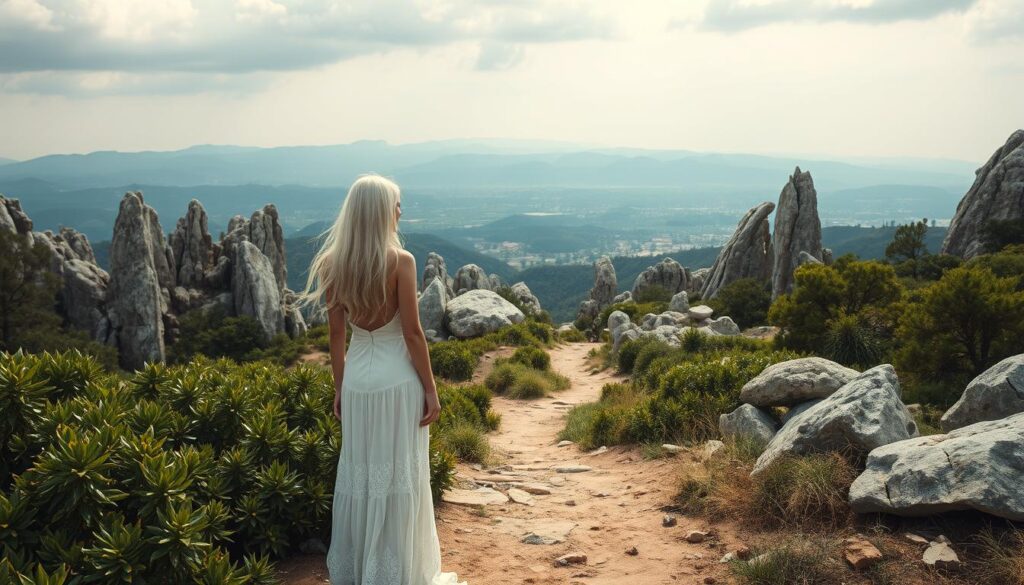
Ready to explore the best spots for finding rare rocks minerals? The right area turns a casual outing into a treasure hunt! But before you grab your gear, learn where—and how—to hunt legally.
Public Lands vs. Private Property: Know the Rules
Public lands like BLM areas often welcome collectors, but limits apply. Check if you can take 25 pounds of material per day or just surface finds. National forests usually allow small-scale collecting too!
Private land is trickier. Always seek permission—many owners say yes if you share photos of your discoveries. As Oregon rockhound Lia Carter notes:
“A handwritten thank-you note with a polished agate keeps doors open for future visits.”
Top U.S. Hotspots for Agates, Jasper, and More
Score big at paid sites like Montana’s Gem Mountain, where sapphires hide in the gravel. For free adventures, Oregon’s Tillamook Coast reveals agates after winter storms. Just watch for tides at Short Beach!
Other prime dig sites include:
- Public lands in Arizona’s Petrified Forest (limited harvesting)
- Arkansas’s Crater of Diamonds State Park (keep what you find!)
- North Carolina’s Emerald Hollow Mine (fee access to rich veins)
With a variety of terrains and treasures, every trip promises new excitement. Pack wisely, respect land rules, and let the hunt begin!
How to Spot and Identify Valuable Rocks
Unlock nature’s hidden artistry with sharp eyes and simple tricks! Whether you’re scanning beaches or cracking open rocks minerals, knowing what to look for turns hunts into hauls. Let’s dive into the glittering details.
Key Features of Agates, Fossils, and Gemstones
Agates play peekaboo with light—hold them up to see a glowing, translucent color. Jasper’s bold reds and greens hide in smooth, waxy stones along Pacific shores. For fossils, check for odd textures or patterns that scream ancient life!
Pro tip: A rock tumbler polishes rough finds into jaw-dropping specimens. But first, master these field tests:
- Agates: Shine your phone’s light through them—chalcedony glows like honey!
- Jasper: Look for matte finishes in fiery color blocks.
- Fossils: Crisscross lines or shell shapes? You’ve hit paleo gold!
Pro Tips for Scanning Beaches and Dig Sites
Time your search with outgoing tides—wet surface rocks glisten, revealing agates. Walk in grid patterns to cover every inch. As Oregon collector Rae Finn advises:
“Parallel lines beat zigzags. Miss less, find more!”
Pack these tools to dominate dig sites:
- Spray bottle (wet stones show true color)
- Kneeling pad for comfy surface scans
- Mesh bag for your best specimens
Now go outshine the competition—Earth’s treasures await your keen eye!
Rockhounding Ethics: Respecting Nature and Laws
Ethics make rockhounding rewarding for everyone—let’s keep it that way! Responsible collectors protect nature while uncovering its valuable minerals. Follow these guidelines to ensure this way of exploring brings joy for generations.
Leave No Trace Principles for Rockhounds
Your excitement shouldn’t leave scars on the land. Always fill dug holes and avoid disturbing wildlife habitats. Veteran collector Tamsin Wimble shares:
“Take photos, leave footprints—that’s how we preserve the magic for others.”
Follow these golden rules:
- Never damage petroglyphs or fragile ecosystems
- Stick to the 10% rule—leave most finds for fellow enthusiasts
- Report rare discoveries like significant fossils or gold deposits
When You Need Permission (and How to Ask)
Collecting fossils on public land often requires permits—check local regulations first. National parks allow small amounts of petrified wood, but rules vary.
For private property, charm works wonders! Offer these when seeking permission:
- Polished stones from your collection
- Photos of your discoveries
- A promise to share any exceptional finds
| Location Type | Collection Rules | Safety Considerations |
|---|---|---|
| Public BLM Land | 25 lbs/day limit | Watch for unstable terrain |
| National Parks | Surface finds only | Stay on marked trails |
| Private Property | Owner’s discretion | Get written permission |
Remember: Ethical practices protect both nature and your right to explore. Now go make memories—the responsible way!
Conclusion: Start Your Rockhounding Adventure Today!
Nature’s treasures are calling—will you answer? Grab your tools and hit the trails! Your first agate or glittering quartz could be waiting just around the bend.
One great way to learn? Join local clubs or events like Bancroft’s Gemboree. Experts there share tips on spotting rare rocks and even lead group digs. Imagine uncovering fire opals in Arizona or jasper along Oregon’s coast!
Document your journey in a rock journal. Note colors, textures, and locations—it’s a great way to grow your skills. Ready for more? A UV light reveals fluorescent minerals that glow under moonlight!
Every stone holds a story. Yours begins now. Adventure awaits—start today and let the earth surprise you!
